

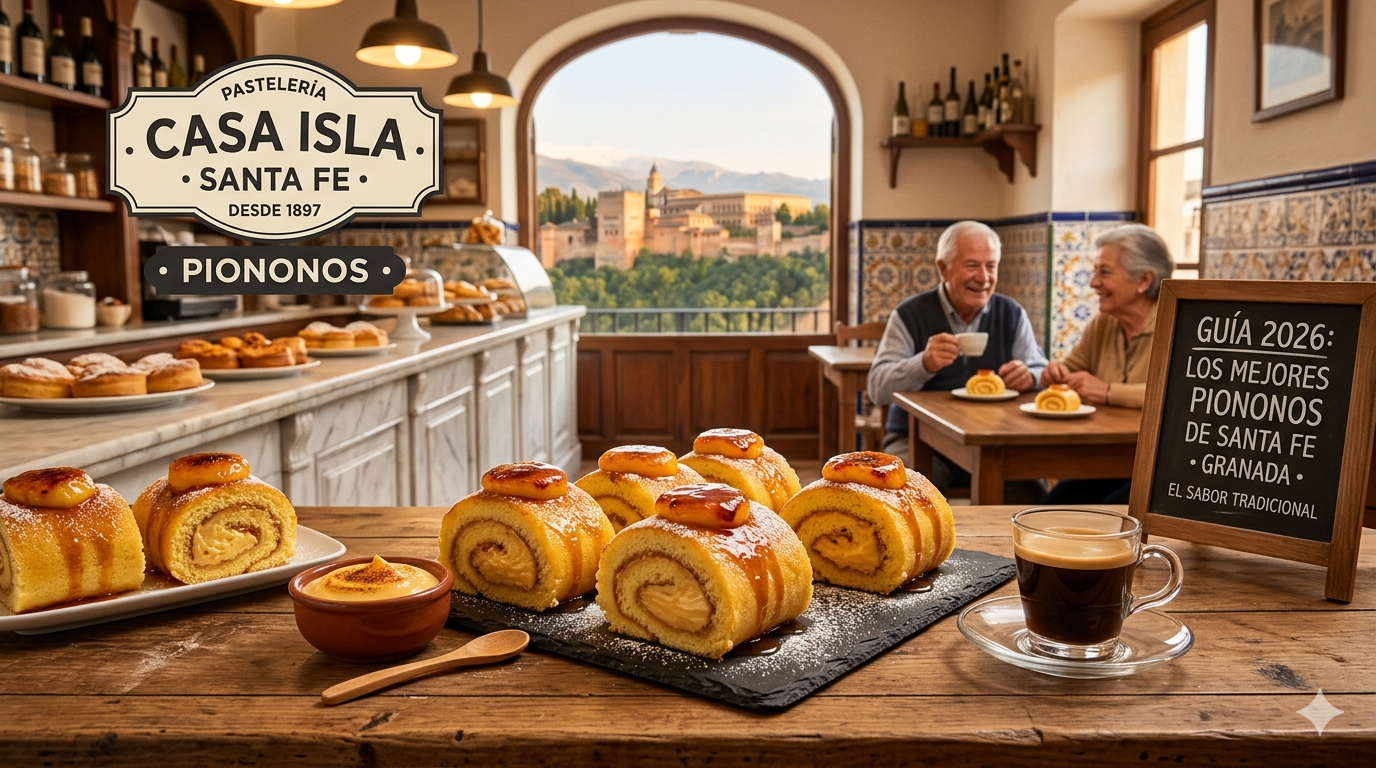
That First Bite: Why Piononos de Santa Fe Still Steal the Show
Picture this: a small, perfectly cylindrical pastry wrapped in white paper, looking a bit like a tiny pope in his cassock. You take one bite and—boom—soft sponge soaked in sweet syrup, creamy filling with hints of cinnamon, and that toasted top that cracks just right.
That’s the magic of piononos de Santa Fe. In 2026, with everyone chasing the next trendy dessert, these little pastries from Granada province in Spain keep pulling people back in.
Many travelers also search for terms like “authentic piononos in Granada,” “traditional Spanish pastries near me,” or “where to eat piononos in Andalusia.”
After trying traditional pastries across Andalusia, Madrid, and smaller Spanish bakeries tucked away from tourist crowds, I keep coming back to piononos. The best versions balance delicate sponge, silky yema cream, and just enough syrup without becoming overly sweet. In this guide, you’ll learn where to find authentic piononos in 2026, what makes them special, and how to spot truly fresh ones when searching locally or traveling through Spain.
The Story Behind Piononos de Santa Fe: From Tribute to Legend
Back in 1897, a pastry chef named Ceferino Isla in the town of Santa Fe near Granada created these treats. He was a devout man who wanted to honor Pope Pius IX—Pío Nono in Spanish. The name stuck, and even the design reflects the tribute: the cylinder represents the pope’s body, the toasted cream resembles the papal skullcap, and the white paper wrapping mirrors papal robes.
Culinary historians in Granada often describe piononos as one of Andalusia’s most recognizable heritage desserts. Unlike many pastries that evolved into mass-produced versions over time, the original Santa Fe recipe has remained remarkably close to its roots for more than a century.
Ceferino’s family still runs Casa Isla (also known as Casa Ysla), now in its fifth generation. That kind of continuity is rare today. While many dessert brands chase viral trends, this bakery has stayed loyal to craftsmanship and tradition.
Why Piononos Still Matter in 2026
As social media fills with flashy desserts designed more for photos than flavor, piononos de Santa Fe continue to stand out for their authenticity. Travelers are increasingly searching for genuine culinary experiences, and these pastries offer a direct connection to Andalusian food culture.
Food tourism across southern Spain keeps growing, and Santa Fe remains one of Granada’s underrated culinary gems.
Why Piononos Became One of Granada’s Most Famous Desserts
Piononos are deeply connected to Andalusian dessert culture. Locals enjoy them during celebrations, afternoon coffee breaks, weddings, and family gatherings. Over time, they became one of Granada province’s most recognizable sweets.
Part of their appeal comes from simplicity. They are not oversized, overloaded with toppings, or built for social media trends. Instead, they focus on balance, freshness, and technique.
In 2026, interest in heritage foods and traditional European pastries continues to grow. Travelers increasingly value recipes tied to local history, family-owned bakeries, and authentic preparation methods. Piononos fit perfectly into that movement.
What Makes Authentic Piononos de Santa Fe Different?
Don’t confuse these with the Argentine rolled cakes also called piononos. Those versions are larger and often filled with dulce de leche or savory ingredients.
Authentic Spanish piononos from Santa Fe are unique because they feature:
- Thin, airy sponge cake
- A light syrup sometimes flavored with rum or lemon
- Rich yema cream made with egg yolks and cinnamon
- Individual rolled portions served upright
- A caramelized toasted topping
The contrast in texture is what makes them memorable. The inside stays soft and syrupy while the top delivers a delicate caramelized finish.
Traditionally, piononos are eaten fresh during merienda, the Spanish afternoon snack time, usually paired with coffee.
Pro tip: the best bakeries use fresh eggs, natural cinnamon, and avoid heavy preservatives.
Best Places for Piononos de Santa Fe Near Me (and How to Find Them)
Local search intent matters more than ever in 2026. Many users searching “piononos near me” want fresh same-day pastries, authentic Spanish bakeries, or traveler-approved dessert spots nearby.
Google increasingly prioritizes freshness, recent reviews, and bakery credibility for local dessert-related searches.
Top Recommendations in Spain
Pastelería Casa Isla, Santa Fe
This is the original bakery and still considered the gold standard by many locals and visitors. Fresh batches are prepared daily using techniques passed down through generations.
Several bakeries across Granada province either source directly from Casa Isla or follow the same traditional preparation style using syrup-soaked sponge, yema cream, and caramelized toppings.
How to Search Smarter in 2026
When searching online, try:
- “piononos de Santa Fe near me”
- “authentic Spanish bakery near me”
- “best piononos in Granada”
- “traditional Andalusian pastries”
Also:
- Check reviews posted within the last few weeks
- Look for photos showing the toasted cream top and white paper wrap
- Avoid bakeries with visibly dry pastries sitting under lights all day
Freshness matters more than anything else.
Finding Piononos Outside Spain
Authentic versions occasionally appear in Spanish bakeries or specialty European pastry shops in cities across the US and UK. Some Latin bakeries also create inspired versions, although the traditional Santa Fe style remains unique to Andalusia.
If you cannot find them locally, homemade versions are often your best option.
How to Tell if Piononos Are Fresh
Fresh piononos have a soft but structured sponge that holds moisture without becoming soggy.
Here are a few signs of quality:
- The caramelized top should look lightly toasted, not burnt
- The sponge should feel moist but not dripping wet
- The yema cream should appear smooth and glossy
- Fresh cinnamon aroma should be noticeable
- The pastry should be served chilled but not overly cold
Authentic piononos are best enjoyed the same day they are made.
How to Make Piononos de Santa Fe at Home
Can’t make it to Spain right now? Good news—you can still recreate these pastries at home.
Traditional piononos recipes vary slightly between bakeries, but most authentic versions rely on simple ingredients and careful technique rather than complicated equipment.
Basic Ingredients (Makes 8–10 Pieces)
For the Sponge
- Eggs
- Sugar
- Flour
- Cornstarch
For the Syrup
- Sugar
- Water
- Cinnamon
- Optional splash of rum
For the Filling
- Egg yolks
- Sugar
- Milk
- Cinnamon
Simple Step-by-Step Method
- Bake a thin sponge sheet.
- Prepare the yema cream custard.
- Lightly soak the sponge with syrup.
- Spread the cream evenly.
- Roll the sponge gently and chill it.
- Slice into individual portions.
- Add cream on top and lightly torch for caramelization.
The technique sounds simple, but achieving the perfect texture takes practice. The sponge needs enough flexibility to roll without cracking while still holding the syrup properly.
Using quality eggs and real cinnamon makes a huge difference.
Best Drinks to Pair With Piononos de Santa Fe
Traditionally, piononos are served with espresso, cortado, or café solo during merienda in southern Spain. The bitterness of the coffee balances the sweetness beautifully.
For a more indulgent pairing, try:
- Sweet sherry
- Light dessert wines
- Spanish hot chocolate
Modern Variations
Some bakeries now experiment with:
- Lemon zest
- Chocolate cream
- Pistachio toppings
- Mini party-sized piononos
Still, most pastry lovers agree the traditional recipe remains the best.
Healthier Takes and Dietary Tweaks
Traditional piononos are definitely an indulgent dessert, but there are a few ways to lighten them slightly.
Possible adjustments include:
- Reducing sugar in the syrup
- Using gluten-free flour blends
- Creating alcohol-free syrup versions
Compared to heavier cream-filled pastries, piononos feel lighter thanks to the thin sponge layers. However, the rich egg-yolk cream and syrup still make them a dessert best enjoyed in moderation.
Common Mistakes When Hunting or Making Piononos
Avoid these common mistakes:
- Buying day-old pastries
- Over-soaking the sponge
- Using low-quality cinnamon
- Expecting them to taste like Argentine piononos
- Refrigerating them too long
Freshness is non-negotiable. Great piononos should taste delicate, balanced, and lightly caramelized—not soggy or overly sugary.
The Cultural Impact: Why Granada Can’t Quit Piononos
Piononos are more than a dessert in Granada—they are part of local identity. Families serve them during celebrations, bakeries prepare them daily, and visitors often leave Spain talking about them long after their trip ends.
In 2026, renewed interest in slow food, regional baking traditions, and heritage recipes has made piononos even more relevant.
They represent something increasingly rare in modern food culture: tradition done well.
Quick Information Table
| Aspect | Details |
|---|---|
| Origin | Santa Fe, Granada, Spain |
| Dessert Type | Traditional Spanish pastry |
| Main Ingredients | Sponge cake, syrup, yema cream, cinnamon |
| Best Time to Eat | Fresh, same day |
| Popular Pairing | Espresso or cortado |
| Search Intent | Near me, authentic bakery, recipe |
| 2026 Trend | Heritage food tourism |
| Best Known Bakery | Casa Isla / Casa Ysla |
What Sets the Best Piononos Apart?
The best piononos achieve perfect balance. They should never feel too sweet, too heavy, or overly soaked.
The sponge must stay tender while holding its shape. The cream should feel rich without becoming overwhelming. And the caramelized topping needs just enough crunch.
That balance between moisture, texture, and caramelization is what separates artisan piononos from tourist versions made purely for display shelves.
The truly memorable ones make you pause after the first bite.
Visiting Santa Fe, Granada for Authentic Piononos
If you’re planning a trip to Andalusia, Santa Fe deserves a stop.
Helpful tips:
- Visit bakeries early in the day
- Combine the trip with nearby Granada attractions like the Alhambra
- Ask locals where they buy fresh pastries
- Avoid heavily touristy pastry shops when possible
Food tourism here still feels authentic and personal compared to more commercialized destinations.
FAQ: Your Piononos Questions Answered
What are piononos de Santa Fe exactly?
They are small rolled sponge cakes soaked in syrup, filled with yema cream, and topped with lightly caramelized cream. They originated in Santa Fe near Granada, Spain.
Where can I find authentic piononos near me?
Search for Spanish bakeries, Andalusian pastry shops, or specialty European dessert stores. In Spain, Casa Isla remains the most famous destination for authentic piononos.
Can I make them at home?
Yes. While they require patience and careful rolling technique, homemade piononos are achievable with simple ingredients and quality preparation.
Are they the same as Argentine piononos?
No. Argentine piononos are usually larger rolled cakes often filled with dulce de leche or savory fillings, while the Spanish Santa Fe version is smaller and custard-focused.
How long do they last?
Authentic piononos are best eaten the same day they’re made. Because the sponge is soaked in syrup and topped with delicate yolk cream, refrigeration can slightly change the texture after 24 hours.
What’s the best way to eat them?
Traditionally, they’re enjoyed chilled with coffee during merienda. Slowly unwrapping the paper and eating them fresh is part of the experience.
Do they contain alcohol?
Some traditional recipes use a small amount of rum in the syrup, although many modern versions are alcohol-free.
Are there flavor variations?
Yes. Some bakeries now experiment with chocolate, citrus, pistachio, or mini-party versions. However, the classic cinnamon and yema cream recipe remains the most respected.
Wrapping It Up: Your Next Sweet Adventure
Piononos de Santa Fe are more than just another pastry—they’re a small piece of Spanish culinary history wrapped into a single bite.
Whether you discover them in a traditional bakery in Granada, hunt them down at a Spanish pastry shop near home, or try making them yourself, the experience feels timeless.
In 2026, as food trends constantly shift toward viral desserts and social-media aesthetics, piononos remain proof that craftsmanship, freshness, and tradition still matter.
If you ever come across a truly exceptional bakery making them fresh daily, don’t pass it up. Some desserts are worth traveling for—and this is absolutely one of them.