

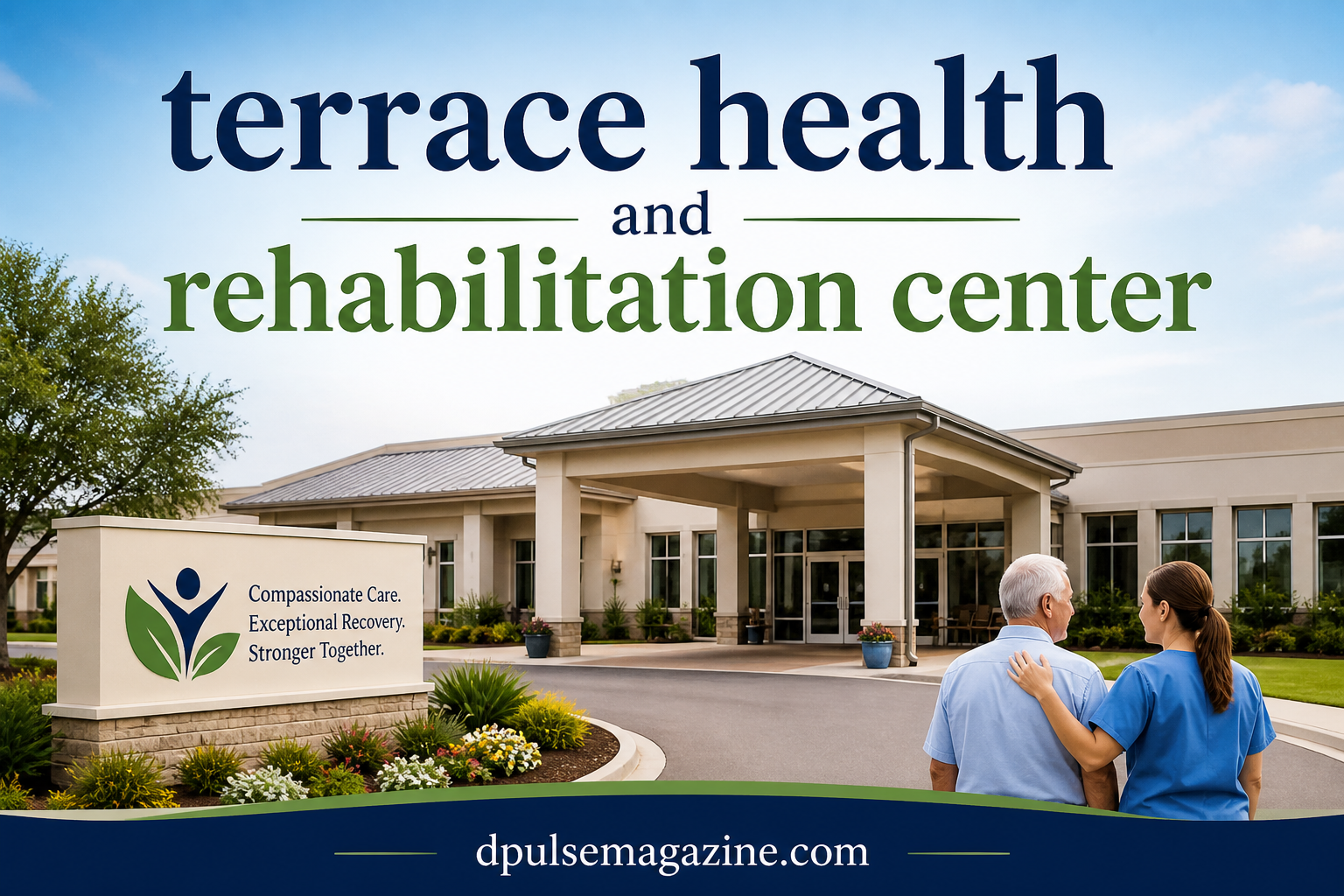
When searching for a reliable nursing and rehabilitation facility, clarity matters. This guide offers a grounded, easy-to-understand look at Terrace Health and Rehabilitation Center—what it offers, how it operates, and what you should evaluate before choosing it or a similar center.
What Is Terrace Health and Rehabilitation Center?
Terrace Health and Rehabilitation Center is a skilled nursing and rehabilitation facility that provides both short-term recovery services and long-term care. Facilities like this typically support individuals recovering from surgery, illness, or injury, as well as residents who need ongoing medical supervision.
Unlike hospitals, which focus on acute care, rehabilitation centers are designed for recovery and stabilization. Patients often stay for days, weeks, or longer depending on their needs.
Core Services Offered
1. Short-Term Rehabilitation Programs
Patients recovering from surgery (such as joint replacements) or serious illness often require therapy before returning home.
Typical services include:
- Physical therapy to restore movement and strength
- Occupational therapy for daily living skills
- Speech therapy for communication or swallowing issues
These programs are structured and goal-oriented, helping patients regain independence.
2. Long-Term Skilled Nursing Care
For individuals who cannot live independently, long-term care provides:
- 24/7 nursing supervision
- Medication management
- Assistance with daily activities like bathing and dressing
This type of care is essential for elderly residents or those with chronic conditions.
3. Post-Hospital Recovery Support
Many patients transition directly from hospital discharge to a rehab center. Facilities like Terrace Health and Rehabilitation Center bridge the gap between hospital and home.
Key benefits:
- Reduced hospital readmission risk
- Continuous monitoring by healthcare professionals
- Structured recovery plans
4. Specialized Medical Services
Some rehabilitation centers provide additional support such as:
- Wound care
- Pain management
- Cardiac or pulmonary rehabilitation
These services vary by facility but are critical for complex recovery cases.
Facility Environment and Living Conditions
Patient Rooms and Amenities
Most modern rehabilitation centers aim to create a comfortable, home-like environment. You can typically expect:
- Semi-private or private rooms
- Dining services with dietary accommodations
- Common areas for social interaction
Comfort plays a significant role in recovery outcomes.
Safety and Cleanliness Standards
Cleanliness and infection control are top priorities. Look for:
- Regular sanitation routines
- Staff hygiene protocols
- Proper waste disposal systems
Government platforms like Medicare often publish inspection reports that provide insight into facility standards.
Staff and Care Quality
Multidisciplinary Care Teams
Rehabilitation centers rely on teams that include:
- Registered nurses (RNs)
- Licensed practical nurses (LPNs)
- Therapists (PT, OT, speech)
- Physicians and specialists
This collaborative approach ensures comprehensive care.
Staff-to-Patient Ratio
One critical factor is how many patients each staff member handles. Lower ratios generally mean:
- More personalized care
- Faster response times
- Better patient outcomes
Ratings, Reviews, and Public Data
Medicare Ratings
The Medicare Care Compare tool provides ratings based on:
- Health inspections
- Staffing levels
- Quality measures
These ratings help families compare facilities objectively.
Online Reviews
Patient and family reviews often highlight:
- Staff behavior
- Cleanliness
- Food quality
- Communication
While reviews can be subjective, patterns in feedback are worth noting.
Admission Process Explained
Step-by-Step Admission
- Referral from a hospital or physician
- Medical evaluation
- Insurance verification
- Care plan development
- Move-in and orientation
The process is usually handled by an admissions coordinator who guides families through paperwork and logistics.
Insurance and Payment Options
Most facilities accept:
- Medicare (for short-term rehab)
- Medicaid (for long-term care, depending on eligibility)
- Private insurance
- Out-of-pocket payments
Always confirm coverage details in advance to avoid unexpected costs.
Pros and Considerations
Advantages
- Structured recovery programs
- Professional medical supervision
- Access to therapy services
- Safer transition from hospital to home
Potential Drawbacks
- Limited privacy in shared rooms
- Adjustment period for new residents
- Variation in staff responsiveness depending on workload
Being aware of both sides helps you make a realistic decision.
How to Choose the Right Facility
When evaluating Terrace Health and Rehabilitation Center or any similar center, focus on:
- Location: Close to family for regular visits
- Staff quality: Experience and responsiveness
- Cleanliness: Visible hygiene standards
- Therapy services: Availability and frequency
- Ratings: Verified data from trusted sources
Visiting the facility in person is highly recommended.
External Resources for Further Research
To deepen your understanding, consider exploring:
- Medicare Care Compare (official ratings and inspections)
- Wikipedia articles on nursing homes and rehabilitation care
- Local health department websites for inspection reports
Key Facts Summary Table
| Category | Details |
|---|---|
| Facility Type | Skilled Nursing & Rehabilitation Center |
| Primary Services | Short-term rehab, long-term care, therapy services |
| Care Team | Nurses, therapists, physicians |
| Payment Options | Medicare, Medicaid, private insurance, self-pay |
| Key Benefit | Structured recovery and medical supervision |
| Evaluation Tools | Medicare ratings, online reviews |
Frequently Asked Questions (FAQs)
1. What services does Terrace Health and Rehabilitation Center provide?
It offers short-term rehabilitation, long-term nursing care, and therapy services such as physical and occupational therapy.
2. Is it suitable for post-surgery recovery?
Yes, many patients use it for recovery after surgery or hospitalization.
3. Does Medicare cover the cost?
Medicare may cover short-term rehabilitation if eligibility criteria are met.
4. How can I check the facility’s quality?
You can review ratings through Medicare Care Compare and read verified patient feedback.
5. What should I look for during a visit?
Focus on cleanliness, staff interaction, patient comfort, and overall environment.
Final Thoughts
Choosing a rehabilitation center is not just about availability—it’s about trust, care quality, and recovery outcomes. Facilities like Terrace Health and Rehabilitation Center play a crucial role in helping patients regain independence or maintain quality of life.
Take the time to research, visit, and ask questions. The right decision can significantly impact recovery and long-term well-being.